
The adam and eve meaning in the bible is one of the most widely searched topics related to the Book of Genesis. Adam and Eve are presented as the first man and woman in the biblical creation story, and their account has shaped Jewish, Christian, and cultural thought for centuries. Their story explores important themes such as human origins, freedom, temptation, responsibility, and the relationship between humanity and God.
Understanding the adam and eve meaning in the bible involves more than simply knowing the events of the Garden of Eden. The story also contains powerful symbolic and spiritual themes. Readers continue to study Adam and Eve because their account raises important questions about human nature, moral choices, sin, consequences, and the possibility of restoration.
Quick Answer: What Is the Adam and Eve Meaning in the Bible?
The adam and eve meaning in the bible refers to the biblical significance of the first man and woman and the spiritual lessons connected with their story. Adam is closely connected with humanity and the earth, while Eve is associated with life. Together, their story symbolizes human beginnings, free choice, temptation, responsibility, and humanity’s relationship with God.
Who Were Adam and Eve in the Bible?
Adam and Eve are central figures in the creation account found in Genesis.
Adam is presented as the first man, while Eve is introduced as the first woman and Adam’s companion.
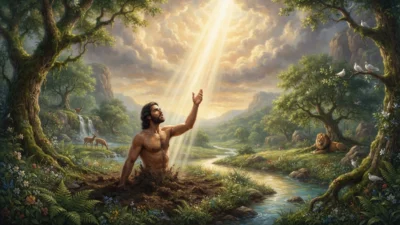
They lived in the Garden of Eden, a place associated with harmony, provision, and fellowship with God.
Their story later changes when they disobey a divine command involving the tree of the knowledge of good and evil.
This event becomes one of the most important moments in biblical history because it introduces themes of temptation, moral responsibility, consequences, and separation.
Adam and Eve Meaning Table
| Figure | Traditional Meaning | Main Biblical Association |
|---|---|---|
| Adam | Humanity or connected with the ground | Human origins and responsibility |
| Eve | Life or living | Motherhood and the beginning of human life |
| Garden of Eden | Paradise and divine provision | Harmony and fellowship |
| Tree of Knowledge | Moral choice and responsibility | Obedience and temptation |
| Serpent | Temptation and deception | Spiritual and moral conflict |
What Does the Name Adam Mean?
The name Adam is closely connected with the Hebrew word often associated with humanity or humankind.
It is also related to the Hebrew word for ground or earth.
This connection is meaningful because the Genesis creation account presents human beings as connected with the earth while also having a unique spiritual relationship with God.
The name Adam can therefore symbolize both human identity and human dependence.
Adam represents humanity in a broad sense and is often understood as a symbol of the human condition.
What Does the Name Eve Mean?
Eve is traditionally associated with life or living.
Her name reflects her role in the biblical story as the mother connected with the continuation of human life.
The meaning of Eve also gives the story an important symbolic dimension.
While the biblical account contains themes of failure and consequences, Eve’s name remains connected with life and the continuation of humanity.
This balance between consequence and hope is one reason the adam and eve meaning in the bible continues to have deep spiritual importance.
The Origin and History of the Adam and Eve Story
The story of Adam and Eve comes from the opening chapters of Genesis.
These chapters form part of the biblical creation narrative and have influenced religious thought for thousands of years.
Jewish and Christian traditions have interpreted the account in different ways.
Some readers understand the story primarily as literal history, while others focus on its theological and symbolic meaning.
Throughout history, Adam and Eve have been discussed in religious commentaries, art, literature, philosophy, and cultural traditions.
Origin and History Table
| Period | Development |
|---|---|
| Ancient Israel | Genesis creation traditions developed |
| Jewish interpretation | Adam and Eve studied through religious commentary |
| Early Christianity | Story connected with sin and redemption |
| Medieval period | Major influence on art and theology |
| Modern era | Studied through religious, literary, and symbolic perspectives |
Adam and Eve and the Garden of Eden
The Garden of Eden is an important part of the story.
It represents a place of abundance, peace, and harmony.
Adam and Eve are given responsibility within the garden and are also given freedom to make choices.
The presence of the tree of the knowledge of good and evil introduces the idea of moral responsibility.
The garden can therefore symbolize an ideal relationship between humanity, creation, and God.
When Adam and Eve disobey, that harmony is disrupted.
The story then moves from innocence toward awareness and responsibility.
The Spiritual Meaning of Adam and Eve
The spiritual meaning of the adam and eve meaning in the bible centers on human freedom and moral responsibility.
Adam and Eve symbolize humanity’s ability to make choices.
Their story shows that freedom carries consequences.
Spiritually, the Garden of Eden can represent innocence and harmony, while the forbidden tree can symbolize the limits of human freedom.
The decision to disobey represents temptation and the misuse of free choice.
However, the story is not only about failure.
It also introduces themes that continue throughout the Bible, including mercy, responsibility, hope, and restoration.
Symbolic Meaning of Adam and Eve
The story contains several powerful symbols.
Adam as Humanity
Adam can symbolize the human race and the shared experiences of human weakness and responsibility.
Eve as Life
Eve symbolizes life, relationships, and the continuation of humanity.
The Garden
The Garden of Eden symbolizes harmony, peace, provision, and an ideal relationship with God.
The Tree
The tree symbolizes moral boundaries, choice, and the responsibility connected with freedom.
The Serpent
The serpent symbolizes temptation, deception, and the challenge of distinguishing truth from falsehood.
Together, these symbols give the adam and eve meaning in the bible a deeper spiritual interpretation.
The Meaning of the Fall
The event often called the Fall describes the consequences of Adam and Eve’s disobedience.
In Christian theology, this story is commonly connected with the entrance of sin into human experience.
The idea emphasizes that human beings are capable of choosing actions that damage their relationship with God, others, and creation.
Different Christian traditions interpret the meaning and effects of the Fall differently.
However, most agree that the story highlights the seriousness of moral choices and the need for spiritual restoration.
The Fall also explains why the Adam and Eve story is often connected with later biblical themes of redemption.
Adam and Eve Compared With Other Biblical Figures
| Figure | Main Theme | Spiritual Lesson |
|---|---|---|
| Adam | Humanity and responsibility | Human choices have consequences |
| Eve | Life and relationship | Choices affect individuals and others |
| Noah | Obedience and faithfulness | Trust during difficult times |
| Abraham | Faith and promise | Trust and commitment |
| Moses | Leadership and covenant | Responsibility and guidance |
This comparison shows that Adam and Eve introduce themes that continue throughout the larger biblical story.
Why Do People Search for Adam and Eve Meaning in the Bible?
People search for the adam and eve meaning in the bible because the story raises major questions about human existence.
Readers often want to understand:
- What do Adam and Eve represent?
- What do their names mean?
- What does the Garden of Eden symbolize?
- Why was the tree forbidden?
- What does the serpent represent?
- What is the meaning of the Fall?
The story is also important because it connects with larger discussions about creation, human nature, freedom, morality, and faith.
Its influence extends beyond religion into literature, art, and popular culture.
Common Misconceptions About Adam and Eve
One common misconception is that every reader interprets the story in exactly the same way.
Jewish and Christian traditions contain different approaches to the account.
Another misconception is that the story only focuses on punishment.
The wider biblical context also develops themes of mercy, hope, and restoration.
Some readers also assume that every artistic image of Adam and Eve represents details directly stated in Genesis.
Many popular visual traditions developed later through art and culture.
It is important to separate the biblical text from later interpretations.
Adam and Eve in Jewish and Christian Tradition
Adam and Eve are important in both Jewish and Christian religious traditions.
In Judaism, the Genesis story is connected with creation, human responsibility, and obedience.
In Christianity, the account is also strongly connected with teachings about sin and redemption.
Christian interpretation often views Adam and Eve within the larger story of humanity’s need for restoration.
Although traditions may emphasize different aspects, both recognize the story’s importance for understanding the relationship between humanity and God.
Cultural and Modern Usage of Adam and Eve
Adam and Eve remain among the most recognizable figures in world culture.
Their story has inspired paintings, sculptures, books, films, music, and countless discussions.
The phrase Adam and Eve is often used symbolically to represent beginnings, the first human relationship, innocence, temptation, or the origin of humanity.
Modern discussions also explore the story through theology, literature, psychology, and philosophy.
This continued cultural influence explains why the adam and eve meaning in the bible remains a popular topic today.
What Adam and Eve Teach About Human Choices
One of the most practical lessons from the story involves responsibility.
Adam and Eve are presented as beings capable of making choices.
Their decision demonstrates that freedom involves consequences.
The story encourages readers to consider how decisions can affect relationships and future outcomes.
It also teaches the importance of honesty and personal responsibility.
When people make mistakes, the biblical theme encourages recognition of those choices rather than avoiding responsibility.
This lesson remains relevant in everyday life.
The Lasting Spiritual Importance of Adam and Eve
The adam and eve meaning in the bible remains important because it addresses universal human experiences.
People continue to face temptation, difficult decisions, mistakes, relationships, and the consequences of their actions.
The story provides a symbolic framework for understanding these experiences.
It also raises questions about where humanity came from and what it means to live responsibly.
For believers, Adam and Eve are part of the larger biblical story that moves from creation and brokenness toward hope and restoration.
Their story continues to inspire reflection on freedom, faith, and human nature.
Final Thought
The adam and eve meaning in the bible is much deeper than a simple story about the first man and woman. Adam represents humanity and human responsibility, while Eve is closely associated with life and the continuation of human existence. Their story explores freedom, temptation, moral choices, and the consequences that follow human decisions. The Garden of Eden symbolizes harmony and innocence, while the tree and serpent represent the challenges of choice and deception.
Although different religious traditions interpret the account in various ways, its central themes remain powerful. Adam and Eve continue to remind readers that human freedom carries responsibility and that even after failure, the larger biblical message continues to develop themes of hope, mercy, and restoration.
FAQs
1. What do Adam and Eve symbolize in the Bible?
They symbolize humanity, human beginnings, freedom, moral responsibility, temptation, and the consequences of choices.
2. What does the name Adam mean?
Adam is closely connected with humanity and the earth or ground in Hebrew tradition.
3. What does the name Eve mean?
Eve is traditionally associated with life or living.
4. What does the Garden of Eden symbolize?
The Garden of Eden symbolizes harmony, innocence, divine provision, and an ideal relationship between humanity and God.
5. What does the forbidden tree represent?
The tree represents moral boundaries, human freedom, and the responsibility connected with choice.
6. What is the spiritual meaning of Adam and Eve?
Their story teaches lessons about freedom, temptation, responsibility, consequences, and the need for spiritual restoration.
7. Why are Adam and Eve important in Christianity?
They are important because their story is connected with creation, human sin, and the larger biblical theme of redemption and restoration.