The archangels meaning in the bible is a fascinating topic for people interested in angels, spiritual beings, and the supernatural world described in Scripture. Angels appear throughout the Bible as messengers, servants, protectors, and agents who carry out God’s purposes. However, the word archangel has a more specific meaning and is used only in a limited number of biblical passages.
Understanding the archangels meaning in the bible requires separating biblical teaching from later traditions, popular stories, and modern ideas about angels. The Bible gives relatively little detailed information about archangels, yet these powerful heavenly beings have become important symbols of divine service, spiritual protection, and God’s authority. This article explores their meaning, biblical connection, history, spiritual symbolism, and common misconceptions.
Quick Answer: What Does Archangels Mean in the Bible?
The archangels meaning in the bible refers to high-ranking angels associated with important divine missions. The word “archangel” means a chief or leading angel. Michael is explicitly called an archangel in the Bible, while other angels, such as Gabriel, are prominent heavenly messengers but are not directly given that title in the biblical text.
What Does Archangel Mean?
The word archangel comes from the Greek word archangelos.
It combines two ideas:
- Arch – chief, ruler, or principal
- Angelos – messenger
Therefore, an archangel can be understood as a chief angel or leading messenger.
The title suggests a position of authority among heavenly beings.
In the Bible, angels serve God rather than acting independently.
They carry messages, provide guidance, execute judgment, and participate in important events connected with God’s plan.
The archangels meaning in the bible is therefore connected with heavenly authority, service, and obedience to God.
Where Are Archangels Mentioned in the Bible?
The specific word “archangel” appears in only a small number of New Testament passages.
Michael the Archangel
Michael is explicitly called “the archangel” in Jude 1:9.
He is also associated with spiritual conflict and protection in other biblical passages.
In Daniel, Michael is described as a powerful heavenly prince connected with the protection of God’s people.
In Revelation, Michael leads heavenly angels in battle against the dragon.
The Voice of an Archangel
First Thessalonians 4:16 refers to the “voice of an archangel” in connection with the return of Christ.
The verse does not identify which archangel is speaking.
These passages form the main biblical foundation for understanding the term.
| Biblical Figure | Biblical Role | Called an Archangel? |
|---|---|---|
| Michael | Heavenly prince and defender | Yes, explicitly in Jude |
| Gabriel | Messenger of important announcements | Not explicitly in the Bible |
| Other angels | Various divine missions | Not specifically identified |
Michael: The Only Explicitly Named Archangel
Michael holds a special place in the biblical understanding of archangels.
He appears in:
- Daniel 10
- Daniel 12
- Jude 1:9
- Revelation 12
Michael is associated with spiritual conflict, protection, and leadership among heavenly beings.
The name Michael is commonly understood as meaning “Who is like God?”
This meaning reflects a central biblical idea: no created being is equal to God.
In Revelation, Michael leads angels in a heavenly battle against the dragon.
However, Michael remains a servant of God.
The Bible does not present Michael as equal to God.
Is Gabriel an Archangel?
Gabriel is one of the best-known angels in the Bible.
He appears in Daniel and in the Gospel of Luke.
Gabriel brings important messages concerning God’s plans.
He announces the births of John the Baptist and Jesus.
Because of his important role, many religious traditions identify Gabriel as an archangel.
However, the Bible itself does not directly call Gabriel an archangel.
This distinction is important when studying the archangels meaning in the bible.
Tradition may use titles that are not explicitly stated in Scripture.
Readers should distinguish between direct biblical language and later religious interpretation.
The Origin and History of Belief in Archangels
Belief in powerful heavenly beings developed within ancient Jewish religious thought.
The Hebrew Bible contains many references to angels and heavenly messengers.
Later Jewish writings expanded descriptions of angelic orders and names.
During the Second Temple period, angelology became increasingly detailed in some religious writings.
Early Christian traditions also developed teachings about angels and heavenly hierarchies.
Over time, different traditions recognized different numbers and names of archangels.
Some traditions speak of seven archangels.
Others focus primarily on Michael and Gabriel.
The Bible itself, however, provides much less detail than later traditions.
Archangels in Different Religious Traditions
Different Jewish and Christian traditions have developed different understandings of archangels.
| Tradition | Common Understanding |
|---|---|
| Protestant Christianity | Focuses mainly on Michael as explicitly called an archangel |
| Catholic tradition | Commonly recognizes Michael, Gabriel, and Raphael |
| Eastern Orthodox tradition | Recognizes several major archangels in tradition |
| Jewish tradition | Contains varied angelic traditions in ancient writings |
| Ethiopian tradition | Preserves additional ancient angel traditions |
These differences show that the study of archangels includes both Scripture and religious tradition.
The archangels meaning in the bible should therefore be distinguished from later lists of angelic names.
The Biblical Role of Archangels
Archangels are commonly associated with major responsibilities.
Based on biblical and traditional understanding, these roles include:
Divine Messengers
Angels often communicate important messages from God.
Gabriel is especially associated with this role.
Spiritual Protection
Michael is connected with the protection of God’s people.
Heavenly Leadership
The title archangel suggests leadership or high rank among angels.
Spiritual Conflict
Michael is associated with heavenly conflict against evil forces.
Participation in God’s Plan
Angels serve God’s purposes in important moments of biblical history.
Their role is not to receive worship.
Instead, they point toward God’s authority and power.
The Spiritual Meaning of Archangels
The archangels meaning in the bible has deep symbolic value for many believers.
Archangels can represent God’s power working through faithful service.
They symbolize obedience, courage, protection, and divine purpose.
Symbolic Spiritual Interpretation
| Symbol | Spiritual Meaning |
|---|---|
| Wings | Divine service and readiness |
| Light | God’s truth and guidance |
| Sword | Spiritual courage and justice |
| Messenger | Communication of divine purpose |
| Heavenly army | Protection and spiritual conflict |
| Bowing before God | Humility and obedience |
Michael’s example can symbolize courage in the face of evil.
Gabriel’s role symbolizes the importance of receiving and delivering truth faithfully.
However, the central spiritual lesson is that angels serve God.
Biblical faith emphasizes worship of God rather than worship of angels.
Why Do People Search for Archangels Meaning in the Bible?
People search for the archangels meaning in the bible for many reasons.
Angels are among the most interesting supernatural beings in Scripture.
Some people want to know whether guardian angels exist.
Others are curious about Michael, Gabriel, and Raphael.
Movies, books, and social media have also created interest in angelic names and powers.
Many people are searching for comfort and spiritual encouragement.
The idea of powerful heavenly beings can symbolize hope, protection, and the belief that God is active beyond what humans can see.
Common Misconceptions About Archangels
Misconception 1: The Bible Names Seven Archangels
The Bible does not provide a single list of seven named archangels.
This idea comes primarily from later religious traditions and ancient writings.
Misconception 2: Gabriel Is Explicitly Called an Archangel
Gabriel is a major angelic messenger, but the Bible does not directly give him the title archangel.
Misconception 3: Angels Should Be Worshiped
Biblical teaching presents angels as servants of God.
They are not the object of worship.
Misconception 4: All Angels Are Archangels
The title archangel refers to a particular high-ranking role and does not apply to every angel.
Misconception 5: Modern Angel Images Are Fully Biblical
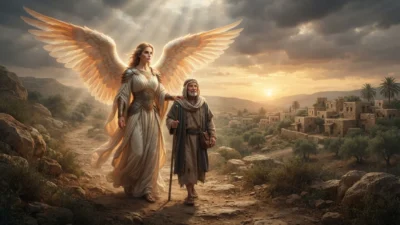
Popular art often portrays angels in ways that are influenced by culture and imagination rather than detailed biblical descriptions.
Archangels in Modern Culture
Archangels remain popular in books, films, artwork, jewelry, and spiritual discussions.
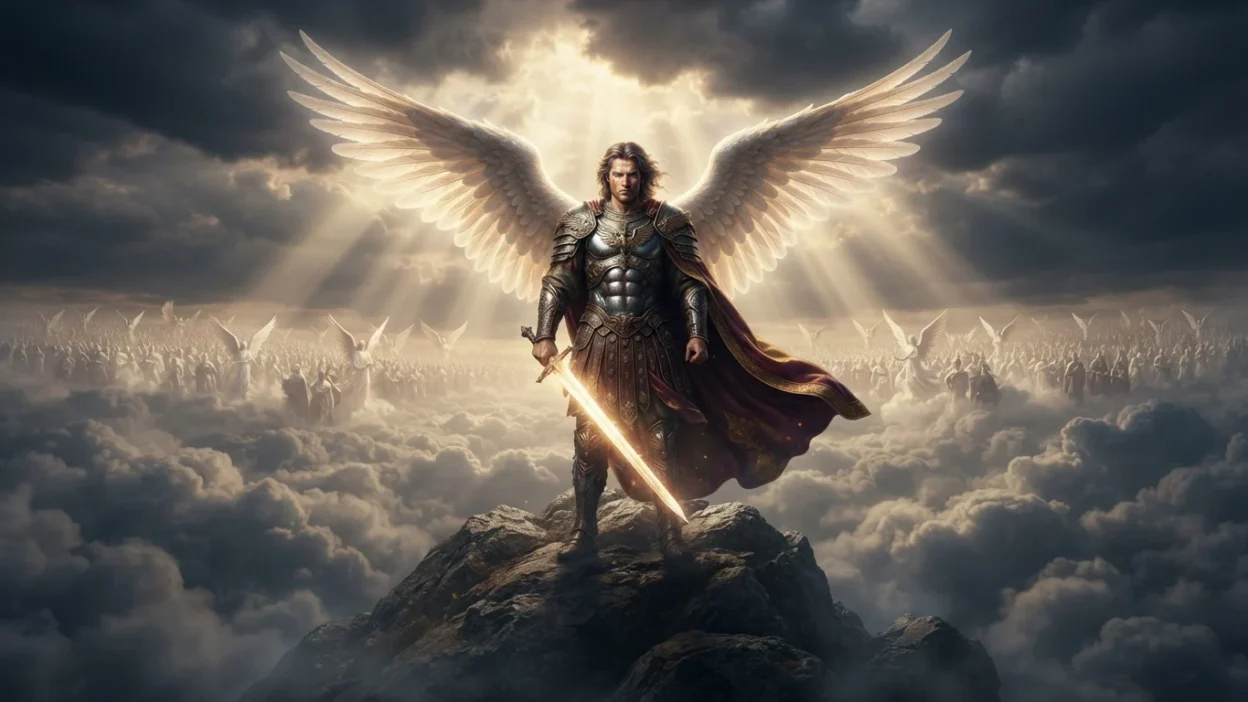
Michael is often portrayed as a warrior and protector.
Gabriel is frequently associated with messages and announcements.
Raphael is associated with healing in certain religious traditions.
Modern culture sometimes combines biblical teaching with mythology, fantasy, and New Age spirituality.
This can create confusion.
When studying the archangels meaning in the bible, it is helpful to separate Scripture from artistic symbolism and modern spiritual beliefs.
How Should Christians Understand Archangels?
Christians should begin with the biblical text.
The Bible teaches that angels are real heavenly servants who carry out God’s purposes.
However, Scripture provides limited information about angelic rankings.
Michael is the clearest example of a named archangel.
Other traditional teachings should be understood according to the history and beliefs of individual Christian communities.
The most important biblical lesson is not the power of angels themselves.
It is the authority of God whom they serve.
This perspective helps keep the study of angels focused on faith rather than speculation.
The Deeper Biblical Lesson About Archangels
The deeper lesson behind the archangels meaning in the bible is one of faithful service.
Powerful heavenly beings are still shown as obedient to God.
Michael does not act as an independent god.
Gabriel delivers messages rather than creating his own message.
The angels demonstrate obedience to divine authority.
For believers, this can be a powerful spiritual example.
Strength should be connected with humility.
Authority should be used in service.
Courage should be guided by faithfulness.
The story of archangels ultimately points beyond the angels themselves toward the God they serve.
Final Thought
The archangels meaning in the bible reveals a fascinating but often misunderstood part of biblical teaching. The word archangel means a chief or leading angel, and Michael is the only named figure explicitly given this title in Scripture. Other well-known angels, such as Gabriel, hold important biblical roles but are called archangels mainly through later tradition.
Archangels symbolize courage, obedience, divine service, and spiritual protection. Their stories remind believers that even powerful heavenly beings operate under God’s authority. By separating biblical teaching from later traditions and popular culture, readers can better understand the meaningful role angels play within the larger story of faith.
FAQs
1. What does archangel mean in the Bible?
An archangel means a chief or leading angel with an important heavenly role.
2. Who is the archangel in the Bible?
Michael is explicitly called an archangel in Jude 1:9.
3. Is Gabriel called an archangel in the Bible?
No. Gabriel is an important angelic messenger, but the Bible does not directly call him an archangel.
4. How many archangels are named in the Bible?
Michael is the only angel explicitly given the title archangel in the biblical text.
5. Are archangels more powerful than other angels?
The title suggests a leading or high-ranking role, but the Bible gives limited details about angelic hierarchy.
6. Should Christians worship archangels?
No. Biblical teaching presents angels as servants of God, not beings to be worshiped.
7. What is the spiritual meaning of archangels?
They can symbolize courage, protection, obedience, divine service, and the authority of God.