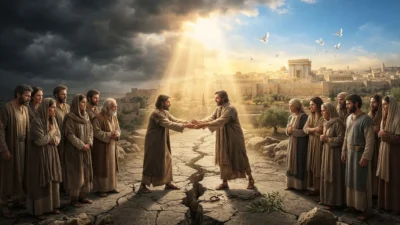

The righteousness meaning in the Bible is one of the central themes of Scripture. It reveals what it means to be right in God’s eyes and how believers can live according to His holy standards. From the Old Testament to the New Testament, righteousness reflects God’s perfect character, justice, and faithfulness. Understanding the righteousness meaning in the Bible helps Christians grow in faith and develop a closer relationship with God.
Many people think righteousness simply means being a good person, but the Bible teaches something much deeper. The righteousness meaning in the Bible includes faith, obedience, integrity, and receiving God’s gift of righteousness through Jesus Christ. This article explores its biblical meaning, origin, spiritual significance, and practical application for everyday Christian living.
Quick Answer
The righteousness meaning in the Bible refers to being right with God through faith and living according to His will. It reflects God’s holy character and is received through Jesus Christ, leading believers to live lives of obedience, justice, and love.
What Does Righteousness Mean in the Bible?
The righteousness meaning in the Bible refers to moral uprightness and a right relationship with God. It describes living according to God’s standards rather than human opinions.
Biblical righteousness includes:
- Trusting God completely
- Obeying His commandments
- Living honestly and justly
- Loving others with compassion
- Walking faithfully every day
Ultimately, righteousness begins with God because He alone is perfectly righteous.
Meaning of Righteousness in the Bible
| Aspect | Meaning |
|---|---|
| Biblical Meaning | Being right before God through faith and obedience |
| Main Theme | Holiness, justice, and faithfulness |
| Hebrew Word | Tsedakah |
| Greek Word | Dikaiosyne |
| Spiritual Focus | A restored relationship with God |
Origin and History of Righteousness
The concept of righteousness appears throughout both the Old and New Testaments.
In the Old Testament, the Hebrew word Tsedakah refers to justice, fairness, integrity, and faithfulness to God’s covenant. It describes both God’s righteous nature and the conduct He expects from His people.
In the New Testament, the Greek word Dikaiosyne emphasizes righteousness through faith in Jesus Christ. The Apostle Paul explains that righteousness is not earned by good works but is given by God to those who believe in Christ.
This progression shows God’s consistent plan to restore humanity through faith.
Origin of the Word Righteousness
| Testament | Original Word | Meaning |
|---|---|---|
| Old Testament | Tsedakah | Justice, integrity, righteousness |
| New Testament | Dikaiosyne | Righteousness through faith |
| Central Theme | Faithfulness | Living according to God’s will |
Righteousness Reveals God’s Character
God is perfectly righteous in everything He does.
His decisions are always fair, His promises never fail, and His judgments are always just. Unlike human righteousness, which is imperfect, God’s righteousness is complete and eternal.
Psalm 145:17 says:
Because God is righteous, believers can trust His guidance, His justice, and His promises.
Spiritual Meaning of Righteousness in the Bible
The righteousness meaning in the Bible carries profound spiritual significance.
Spiritually, righteousness represents:
- A restored relationship with God
- Forgiveness of sin
- Holiness through Christ
- A transformed heart
- Spiritual growth
- Eternal life through faith
It symbolizes becoming a new creation in Christ, where God’s grace changes both the heart and the way a person lives.
Rather than trying to earn salvation, believers receive righteousness as God’s gift and then pursue holy living out of gratitude.
Righteousness Through Jesus Christ
Jesus Christ is the perfect example of righteousness.
He obeyed God’s will completely, never sinned, and fulfilled every requirement of God’s law. Through His death and resurrection, He made it possible for sinners to be declared righteous before God.
Romans 3:22 teaches that righteousness comes through faith in Jesus Christ for everyone who believes.
Without Christ, no one can achieve perfect righteousness by personal effort.
Biblical Examples of Righteousness
The Bible contains many inspiring examples of righteous people.
Noah
Noah remained faithful to God in a corrupt world and obeyed His instructions without compromise.
Abraham
Abraham trusted God’s promises, and his faith was counted as righteousness.
Joseph
Joseph maintained integrity despite temptation, betrayal, and suffering.
Daniel
Daniel remained loyal to God even when facing persecution and danger.
Each of these individuals demonstrated that righteousness involves faith, obedience, courage, and perseverance.
Why Righteousness Matters Today
Righteousness remains essential for Christians today because it shapes every area of life.
Living righteously helps believers:
- Build a stronger relationship with God
- Make wise decisions
- Show love and fairness to others
- Reflect Christ’s character
- Experience spiritual peace
- Influence others through godly living
A righteous lifestyle becomes a testimony of God’s transforming power.
Comparison of Righteousness, Holiness, and Justice
| Term | Meaning | Primary Focus |
|---|---|---|
| Righteousness | Being right before God | Faith and obedience |
| Holiness | Being set apart for God | Purity and devotion |
| Justice | Treating others fairly | Fairness and truth |
| Grace | Receiving God’s undeserved favor | Salvation |
Although these words are closely connected, each highlights a different aspect of God’s character.
Cultural and Modern Usage
Today, righteousness is a common topic in:
- Church sermons
- Bible studies
- Christian books
- Worship songs
- Devotional materials
- Christian counseling
In everyday language, people often associate righteousness with honesty and moral living. However, the Bible teaches that true righteousness begins with faith in God rather than human goodness alone.
Why People Search for Righteousness Meaning in the Bible
People search for this topic for many reasons.
Some want to understand Bible verses about righteousness.
Others want to know:
- How to become righteous
- The difference between righteousness and holiness
- Whether righteousness comes from faith or works
- How Jesus makes believers righteous
- How to live according to God’s standards
Learning about righteousness helps Christians strengthen their faith and better understand God’s plan of salvation.
Common Misconceptions About Righteousness
Several misunderstandings surround biblical righteousness.
Righteousness Means Never Sinning
The Bible teaches that everyone has sinned. Believers are declared righteous through faith in Christ, not through perfection.
Good Works Earn Righteousness
Good works are the result of salvation, not the cause of it.
Only Religious Leaders Can Be Righteous
Every believer is called to pursue righteousness through faith and obedience.
Righteousness Removes the Need for Grace
Christians continue to depend on God’s grace every day as they grow spiritually.
How to Live a Righteous Life
Living righteously is a daily commitment.
Practical ways include:
- Reading the Bible regularly
- Spending time in prayer
- Trusting Jesus Christ
- Obeying God’s Word
- Serving others with love
- Practicing forgiveness
- Speaking truthfully
- Living with humility
These habits help believers reflect God’s righteousness in their daily lives.
Lessons We Learn from Righteousness
The Bible teaches several important truths about righteousness.
- God alone is perfectly righteous.
- Faith is the foundation of righteousness.
- Jesus Christ is the source of our righteousness.
- Obedience reflects genuine faith.
- Righteous living honors God.
- God’s righteousness brings hope and eternal life.
These lessons encourage believers to trust God rather than rely on their own efforts.
Final Thought
The righteousness meaning in the Bible reveals God’s perfect standard of holiness, justice, and truth. While no one can achieve righteousness through personal effort alone, God lovingly provides it as a gift through faith in Jesus Christ. This gift transforms hearts, restores relationships with God, and empowers believers to live lives marked by integrity, compassion, and obedience. Throughout Scripture, righteousness points to God’s faithfulness and His desire for His people to reflect His character.
As Christians grow in faith, righteousness becomes visible through everyday choices that honor God and bless others. By trusting Christ, studying God’s Word, and following the Holy Spirit’s guidance, believers can pursue a righteous life that brings glory to God and hope to the world.
FAQs
1. What is the righteousness meaning in the Bible?
It means being right with God through faith and living according to His holy standards.
2. What is the Hebrew word for righteousness?
The primary Hebrew word is Tsedakah, meaning righteousness, justice, and integrity.
3. How is righteousness received according to the Bible?
Righteousness is received through faith in Jesus Christ rather than by human works.
4. Is righteousness different from holiness?
Yes. Righteousness focuses on being right before God, while holiness refers to being set apart for Him.
5. Why is righteousness important?
It helps believers grow spiritually, honor God, and reflect Christ’s character in daily life.
6. Who is the perfect example of righteousness?
Jesus Christ is the perfect example because He lived a completely sinless and obedient life.
7. Can Christians grow in righteousness?
Yes. Through prayer, Bible study, obedience, and the Holy Spirit, believers continue growing in righteous living.