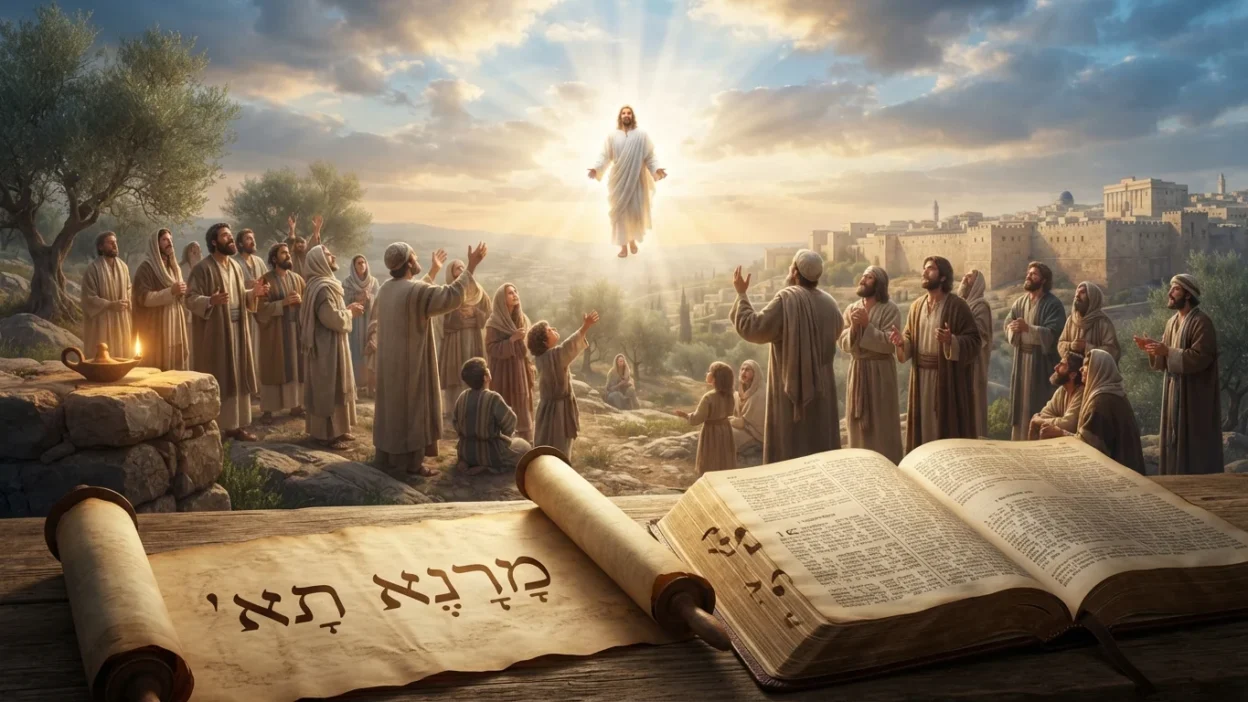
The Maranatha meaning in the Bible is one of the most inspiring expressions found in the New Testament. Although it appears only once in Scripture, this ancient Aramaic word carries a powerful message of hope, faith, and anticipation for the return of Jesus Christ. Understanding the Maranatha meaning in the Bible helps believers appreciate the early Christians’ deep longing for the Lord’s coming and their confidence in God’s promises.
Many Christians search for the Maranatha meaning in the Bible to discover what the word means, where it appears in Scripture, and why it remains important today. This article explores its biblical definition, historical background, spiritual symbolism, and practical lessons, helping readers understand why “Maranatha” continues to encourage believers around the world.
Quick Answer
The Maranatha meaning in the Bible is “Our Lord, come!” or “Our Lord has come,” depending on how the Aramaic phrase is divided. Most Bible scholars understand it as “Come, Lord!”—a heartfelt prayer expressing hope for Jesus Christ’s return.
What Does Maranatha Mean in the Bible?
Maranatha is an Aramaic expression that appears in 1 Corinthians 16:22.
It is commonly translated as:
- Our Lord, come!
- Come, O Lord!
- Our Lord is coming
- The Lord has come (less common interpretation)
Most modern scholars understand it as a prayer asking Jesus to return.
This simple word expresses both faith and expectation.
Meaning of Maranatha
| Word | Meaning |
|---|---|
| Maranatha | Our Lord, come! |
| Language | Aramaic |
| Biblical Reference | 1 Corinthians 16:22 |
| Central Theme | Hope in Christ’s return |
Origin and History of Maranatha
Maranatha comes from the language Jesus and many of His followers spoke—Aramaic.
The expression combines two words:
- Maran – Our Lord
- Atha – Come
Early Christians used this phrase during worship, prayer, and encouragement as they looked forward to Christ’s return.
Its preservation in the Greek New Testament highlights its importance in the early church.
Origin of the Word
| Category | Details |
|---|---|
| Language | Aramaic |
| Components | Maran + Atha |
| Meaning | Our Lord, come |
| First Biblical Use | 1 Corinthians 16:22 |
Where Is Maranatha Found in the Bible?
The word Maranatha appears once in the New Testament.
1 Corinthians 16:22
The Apostle Paul concludes his letter by writing:
The expression serves as a reminder that Jesus will return and that believers should remain faithful.
Although the exact translation is debated, its message consistently points toward Christ.
Biblical Connection of Maranatha
Maranatha is closely connected with several biblical themes.
These include:
- The Second Coming of Christ
- Christian hope
- Faithfulness
- Readiness
- Eternal life
- God’s promises
The Book of Revelation ends with a similar prayer:
“Come, Lord Jesus.”
This shows that Maranatha reflects the heart of Christian expectation throughout Scripture.
Spiritual Meaning of Maranatha in the Bible
The spiritual meaning of the Maranatha meaning in the Bible centers on hope and readiness.
Spiritually, Maranatha reminds believers to:
- Live faithfully.
- Watch for Christ’s return.
- Trust God’s promises.
- Remain spiritually prepared.
- Persevere through trials.
It encourages Christians to focus on eternity rather than temporary earthly concerns.
Symbolic Interpretation
Maranatha symbolizes:
- Hope
- Expectation
- Faith
- Christ’s return
- Victory over sin
- Eternal life
It is both a prayer and a declaration of confidence in God’s plan.
Why Maranatha Was Important to Early Christians
The early church faced persecution, hardship, and uncertainty.
Maranatha reminded believers that:
- Jesus would return.
- Evil would not prevail forever.
- God’s kingdom would be fully established.
- Faithfulness would be rewarded.
This hope strengthened Christians during difficult times.
Maranatha Compared with Other Biblical Expressions
Comparison of Biblical Expressions
| Expression | Meaning | Theme |
|---|---|---|
| Maranatha | Our Lord, come! | Christ’s return |
| Hallelujah | Praise the Lord | Worship |
| Amen | Truly, so be it | Agreement |
| Hosanna | Save us now | Salvation |
Each expression carries deep spiritual significance within Scripture.
Cultural and Modern Usage
Today, Maranatha is widely used among Christians.
It appears in:
- Worship songs
- Church names
- Christian schools
- Books
- Prayer gatherings
Believers continue using the word as a reminder of their hope in Jesus Christ.
Its message remains timeless.
Why People Search for Maranatha Meaning in the Bible
People commonly search this topic because they want to:
- Understand its biblical meaning.
- Learn where it appears in Scripture.
- Study the Second Coming.
- Grow spiritually.
- Understand Christian hope.
Its unique language and rich symbolism make it an important biblical word.
Common Misconceptions About Maranatha
Misconception 1: Maranatha Is a Hebrew Word
It is actually Aramaic.
Misconception 2: Maranatha Is a Greeting
Although Christians sometimes use it as encouragement, it is fundamentally a prayer or declaration.
Misconception 3: Maranatha Predicts a Date
The word expresses hope for Christ’s return but gives no timeline.
Believers are called to remain ready rather than speculate about dates.
How Christians Can Live the Message of Maranatha
Believers can apply its message by:
- Living faithfully.
- Sharing the Gospel.
- Growing spiritually.
- Remaining hopeful.
- Trusting God’s promises.
- Looking forward to Christ’s return.
These habits reflect the heart behind Maranatha.
Lessons Christians Learn from Maranatha
The Maranatha meaning in the Bible teaches believers that:
- Jesus will return.
- Hope strengthens faith.
- Christians should remain spiritually prepared.
- God’s promises never fail.
- Eternal life is certain for those who trust Christ.
These truths continue encouraging believers today.
Final Thought
The Maranatha meaning in the Bible is a powerful reminder of Christian hope and the promise of Jesus Christ’s return. Though the word appears only once in Scripture, its message echoes throughout the New Testament as believers eagerly await the fulfillment of God’s promises. More than a simple expression, Maranatha is both a prayer and a declaration of faith that encourages Christians to live with hope, perseverance, and readiness.
As followers of Christ face life’s challenges, this ancient Aramaic word continues to inspire confidence that the Lord will come again and establish His eternal kingdom. Until then, believers are called to remain faithful, loving, and steadfast in their walk with God.
FAQs
1. What does Maranatha mean in the Bible?
It generally means “Our Lord, come!” or “Come, Lord!”
2. Where is Maranatha found in the Bible?
It appears in 1 Corinthians 16:22.
3. Is Maranatha Hebrew or Aramaic?
Maranatha is an Aramaic word.
4. Why is Maranatha important?
It expresses Christian hope and anticipation for Jesus Christ’s return.
5. Is Maranatha a prayer?
Yes. Most scholars understand it as a prayer asking the Lord to come.
6. Can Christians still use the word Maranatha?
Yes. Many believers use it in worship, prayer, and encouragement.
7. What spiritual lesson does Maranatha teach?
It reminds believers to remain faithful, hopeful, and prepared for Christ’s return.