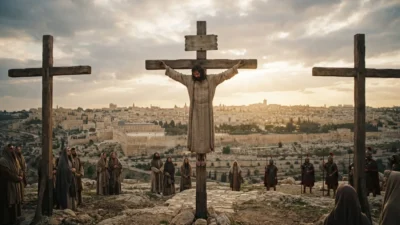
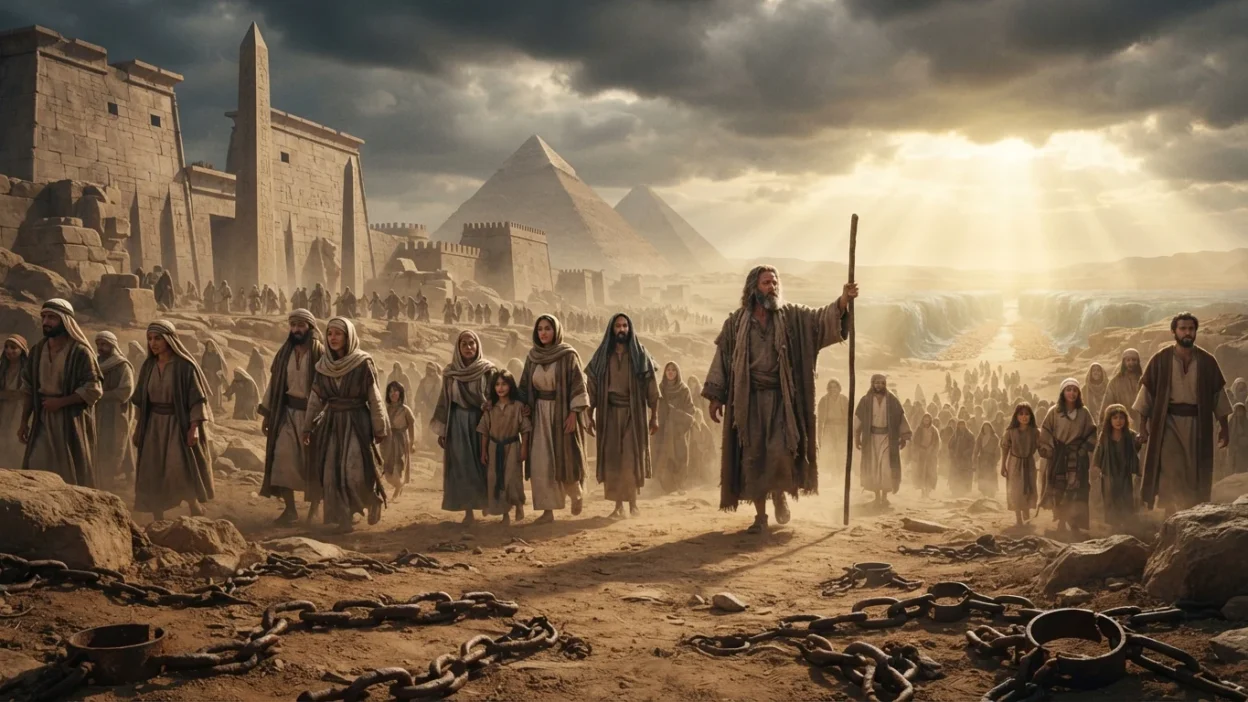
The bondage meaning in the Bible is connected with slavery, captivity, oppression, servitude, and being held under a controlling power. Scripture uses the idea of bondage in both literal and spiritual ways. In the Old Testament, the Israelites experienced physical bondage in Egypt, while other passages describe people being enslaved by sin, fear, or disobedience. These examples make bondage an important biblical theme because they reveal both humanity’s need for freedom and God’s power to deliver.
Understanding the bondage meaning in the Bible also helps explain the difference between physical captivity and spiritual slavery. The Bible repeatedly presents God as a deliverer who rescues His people and leads them toward freedom. In the New Testament, Jesus’ ministry brings this theme into sharper focus. Through Christ, believers are called to freedom from sin and are encouraged to live under God’s grace rather than under destructive spiritual control. Biblical freedom, however, is not simply doing whatever we want; it is the freedom to live according to God’s truth and purpose.
Quick Answer: What Does Bondage Mean in the Bible?
Bondage in the Bible means slavery, captivity, oppression, or being controlled by a power or master.
It can describe physical slavery as well as spiritual captivity to sin, fear, or disobedience.
Scripture presents God as a deliverer who brings His people from bondage into freedom.
In Christ, believers are called to experience freedom while becoming servants of righteousness.
What Is the Meaning of Bondage in the Bible?
The word bondage generally refers to a condition in which someone is not free.
It can describe literal slavery or captivity, but biblical writers also use similar language to describe spiritual conditions.
A person may be physically free yet spiritually controlled by sinful desires, fear, or destructive habits.
| Meaning | Biblical Idea |
|---|---|
| Slavery | Being under another person’s control |
| Captivity | Loss of freedom |
| Servitude | Being required to serve |
| Oppression | Being treated harshly or unjustly |
| Spiritual bondage | Being controlled by sin or fear |
The context of each biblical passage determines exactly what kind of bondage is being discussed.
Origin and History of the Concept of Bondage
Bondage was a real social and political reality in the ancient world.
People could become servants or slaves because of war, poverty, debt, or other circumstances.
One of the most important biblical examples is Israel’s slavery in Egypt.
The Israelites were forced into harsh labor under Pharaoh.
Exodus presents their deliverance as a major demonstration of God’s power.
God heard their cries and brought them out of Egypt.
This event became a foundational story of redemption throughout Scripture.
| Biblical Setting | Type of Bondage |
|---|---|
| Egypt | Physical slavery |
| Babylon | Captivity and exile |
| Sin | Spiritual bondage |
| Fear | Emotional/spiritual captivity |
| Legalism | Religious burden in certain contexts |
Biblical and Religious Connection of Bondage
The bondage meaning in the Bible is strongly connected with God’s work of deliverance.
The Exodus story provides the clearest Old Testament picture.
Israel was not simply escaping an uncomfortable situation.
They were being released from slavery so they could worship God and live as His covenant people.
This reveals an important biblical principle:
God’s freedom has a purpose.
Freedom is not merely escape from one master so that people can live without direction.
Instead, biblical deliverance leads people into a relationship with God.
Israel’s Bondage in Egypt
Exodus describes Israel’s suffering under Egyptian oppression.
Pharaoh forced the Israelites into hard labor and attempted to control their population.
God responded by calling Moses to lead His people out of Egypt.
The plagues, Passover, crossing of the Red Sea, and journey into the wilderness all became part of Israel’s story of liberation.
The Exodus became a powerful symbol of God’s ability to rescue people from impossible circumstances.
Throughout later Scripture, God’s people were reminded that He was the God who brought Israel out of Egypt.
Spiritual Bondage in the Bible
The bondage meaning in the Bible extends beyond physical slavery.
The New Testament often describes sin as a controlling power.
Jesus said in John 8:34 that everyone who practices sin is a slave to sin.
This does not mean every sinful action produces exactly the same kind of captivity.
Rather, Jesus points to the controlling nature of sin.
Repeated sinful behavior can shape desires, habits, and character.
A person may believe they are free while actually being controlled by something destructive.
The gospel offers a different kind of life.
Bondage to Sin
Sin can become spiritually enslaving.
A person may repeatedly return to anger, dishonesty, greed, lust, pride, hatred, or other destructive behaviors.
Over time, a sinful pattern can become increasingly difficult to break.
The Bible does not treat sin merely as a mistake.
It also presents sin as a power that separates people from God.
Romans 6 develops this theme by contrasting slavery to sin with becoming servants of righteousness.
This provides a powerful biblical picture:
Freedom from sin does not mean freedom from all responsibility. It means freedom to serve what is good and righteous.
Spiritual Meaning of Bondage
The spiritual meaning of bondage meaning in the Bible includes several symbolic ideas.
Slavery
Bondage can symbolize being under the control of something opposed to God’s will.
Captivity
It can represent a life trapped by destructive patterns.
Oppression
Bondage may symbolize spiritual or emotional oppression.
Separation
Sin can create separation from God.
Need for Deliverance
Bondage highlights humanity’s need for God’s saving power.
| Spiritual Symbol | Meaning |
|---|---|
| Chains | Loss of freedom |
| Prison | Spiritual captivity |
| Egypt | Place of oppression |
| Exodus | Divine deliverance |
| Freedom | Liberation through God’s grace |
These images help readers understand why biblical deliverance is such a major theme.
Bondage vs. Freedom in Scripture
The Bible presents bondage and freedom as contrasting conditions.
| Bondage | Freedom |
|---|---|
| Slavery | Liberty |
| Captivity | Deliverance |
| Fear | Faith |
| Sin | Righteousness |
| Oppression | Peace |
| Destructive control | God-directed life |
However, biblical freedom does not mean unlimited self-indulgence.
Paul teaches that Christian freedom should not become an opportunity for sinful living.
Instead, believers are called to serve one another in love.
True freedom involves living according to God’s design.
Bondage and Fear
The Bible also discusses bondage connected with fear.
Hebrews 2:15 speaks about people being held in bondage through fear of death.
Fear can control decisions, relationships, and behavior.
When fear becomes dominant, it can prevent people from trusting God.
The biblical answer is not pretending that difficult circumstances do not exist.
Instead, Scripture encourages believers to place their fears in God’s hands.
Faith does not necessarily remove every difficult circumstance immediately, but it changes how people respond to them.
Bondage and Legalism
Another important biblical discussion involves religious bondage.
Jesus criticized religious leaders who placed heavy burdens on people without offering genuine spiritual transformation.
Paul also warned believers against returning to forms of slavery after experiencing freedom in Christ.
This is important because bondage is not always obvious.
A person can appear religious while living under guilt, fear, or performance-based acceptance.
The gospel teaches that salvation is grounded in God’s grace rather than human achievement.
Jesus and Freedom From Bondage
One of the most important themes in the New Testament is Jesus’ role as a deliverer.
In Luke 4:18, Jesus describes His mission using language of liberty and release.
His ministry brought hope to people who were oppressed, broken, and spiritually lost.
Jesus did not merely promise temporary emotional relief.
He proclaimed the arrival of God’s kingdom and called people to repentance and faith.
The cross and resurrection are central to Christian understanding of liberation from sin and death.
Through Christ, believers receive forgiveness and new life.
Bondage vs. Being a Servant of God
A common question is this:
If Christians are free, why does the New Testament sometimes call them servants of Christ?
The answer is found in the difference between forced slavery and willing devotion.
Biblical Christianity teaches that believers are freed from the destructive mastery of sin so that they can willingly belong to Christ.
Paul describes believers as servants or slaves of righteousness.
This sounds paradoxical, but the idea is powerful.
A person is always shaped by what they choose to serve.
The gospel changes the master from sin to righteousness.
Common Misconceptions About Bondage
Bondage Always Means Physical Slavery
Not necessarily.
The Bible also uses the concept spiritually.
Every Difficulty Is Spiritual Bondage
Hardship does not automatically mean someone is spiritually enslaved.
Life includes suffering, disappointment, and trials.
Bondage Means a Person Has No Responsibility
The biblical message still emphasizes repentance, faith, and obedience.
Freedom Means Doing Whatever You Want
Biblical freedom is freedom to live according to God’s purposes.
Christians Can Never Struggle
Believers can experience temptation and difficulty.
Christian freedom does not mean the absence of spiritual battles.
Why Do People Search for Bondage Meaning in the Bible?
People search bondage meaning in the Bible because the word appears in Bible translations and Christian teaching.
Some readers encounter references to Israel’s bondage in Egypt.
Others find New Testament passages discussing slavery to sin or freedom in Christ.
People may also hear Christians use the expression “spiritual bondage” and wonder what it means.
Understanding the biblical context helps prevent exaggeration.
Not every problem is spiritual bondage, and not every struggle should be given a dramatic spiritual label.
Scripture provides a balanced framework involving sin, human responsibility, God’s grace, prayer, wisdom, and community.
Cultural and Modern Usage of Bondage
In modern English, “bondage” can have several meanings.
It may describe slavery, oppression, dependence, or a condition of being controlled.
Christian communities often use the phrase spiritual bondage to describe destructive patterns that interfere with a person’s relationship with God.
The biblical concept should remain connected to Scripture.
It should not be used casually to label people or circumstances without understanding the context.
A careful approach recognizes both spiritual realities and ordinary human experiences.
How Does the Bible Teach People to Move From Bondage to Freedom?
The Bible emphasizes several responses to spiritual captivity.
Recognize the problem: Freedom begins with honesty about sin and destructive patterns.
Turn to God: Repentance involves turning away from sin and toward God.
Trust Christ: Christian freedom is rooted in Jesus rather than human strength alone.
Know the truth: Jesus taught that truth brings freedom.
Walk by the Spirit: Galatians connects life in the Spirit with freedom from the domination of sinful desires.
Practice righteousness: Freedom grows as believers learn to live according to God’s will.
Symbolic Lessons From Bondage and Deliverance
The biblical story of bondage teaches several powerful lessons.
God hears the oppressed.
The Exodus story emphasizes God’s awareness of Israel’s suffering.
God can provide a way out.
Israel’s situation appeared impossible, yet God delivered them.
Freedom carries responsibility.
Israel was delivered to become God’s covenant people.
Sin can enslave.
Repeated rebellion can become spiritually controlling.
Grace brings transformation.
The gospel offers forgiveness and new life.
The movement from bondage to freedom is therefore one of Scripture’s most powerful pictures of redemption.
Final Thought
The bondage meaning in the Bible describes more than physical slavery. Scripture uses bondage to communicate ideas of captivity, oppression, servitude, fear, and spiritual enslavement to sin. Israel’s experience in Egypt provides the Old Testament’s most powerful picture of physical bondage and divine deliverance. In the New Testament, Jesus brings the message of freedom into an even deeper spiritual context by offering liberation from sin and calling people into a new life.
Biblical freedom does not mean living without responsibility or doing whatever we desire. Instead, it means being released from destructive mastery so that we can live according to God’s truth. The biblical journey from bondage to freedom ultimately points toward God’s grace, redemption, and transforming power.
FAQs
1. What does bondage mean in the Bible?
Bondage means slavery, captivity, oppression, or being controlled by a person, power, sin, or circumstance.
2. What is spiritual bondage?
Spiritual bondage refers to being controlled or trapped by sin, destructive patterns, fear, or other forces that interfere with a person’s relationship with God.
3. What is the most famous example of bondage in the Bible?
Israel’s slavery in Egypt is one of the Bible’s most important examples of physical bondage and divine deliverance.
4. Does the Bible say sin can cause bondage?
Yes. Jesus taught that those who practice sin can become slaves to sin, emphasizing its controlling power.
5. What does freedom mean in Christianity?
Christian freedom means liberation from the mastery of sin so that believers can live in God’s truth and serve Him.
6. Does every struggle mean spiritual bondage?
No. Difficult circumstances and ordinary struggles are not automatically evidence of spiritual bondage.
7. How can a person seek freedom from spiritual bondage?
The Bible emphasizes repentance, faith in Christ, prayer, knowledge of God’s truth, dependence on the Holy Spirit, and a life of obedience.

Levi Ezra is a spiritual writer and author at BibLoft.com, exploring symbolism, dreams, and hidden meanings in life, offering insightful reflections to guide spiritual understanding and inner awareness.